
Why Women Should Start Strength Training (It’s Not About Weight Loss)
Why Women Should Start Strength Training: Benefits Beyond Weight Loss
You’ve been told the story a hundred times: cardio for weight loss, weights for “toning.” Spend enough hours on a treadmill and the scale will finally cooperate.
Here’s the problem. That story is incomplete and it’s left most women unprepared for what actually happens to their bodies over time:
- Muscle loss starts earlier than you think. After 30, women lose muscle mass every year without doing anything to replace it.
- Bone density quietly declines, making fractures and osteoporosis a real risk later in life, not a “someday” problem.
- Metabolism slows down, so the same diet and cardio routine stop giving the same results.
- Everyday strength fades, carrying groceries, climbing stairs, lifting your kids gets harder, not easier.
- Recovery from injury takes longer when muscle and bone aren’t strong enough to protect you.
Strength training isn’t optional maintenance. It’s the one thing that directly fights all of this building the muscle, bone density, and resilience that cardio alone simply can’t.
The Weight Loss Obsession Is Hiding the Real Story
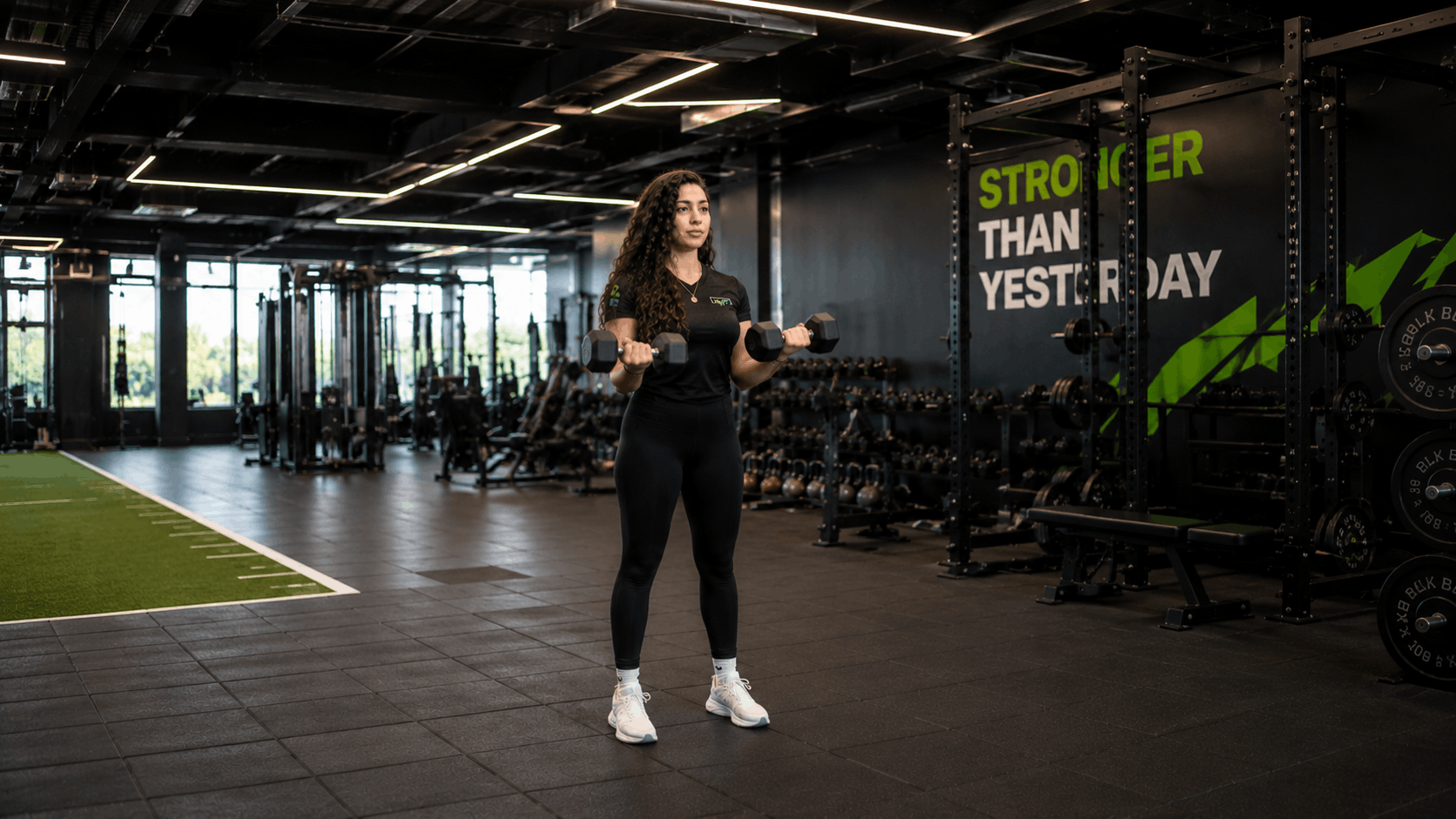
Weight loss is temporary. Muscle is not.
Every pound of muscle you build keeps working for you long after the workout ends, burning more calories at rest, protecting your joints, and changing how your body looks and functions for years, not weeks. Cardio burns calories while you move. Strength training changes your body while you rest.
If weight loss is the only goal, it’s easy to quit the moment the scale stalls. If strength is the goal, there’s always a new number to chase more reps, more weight, more control.
1. Your Bones Need This More Than You Think
After 30, women naturally start losing bone density and it accelerates fast after menopause. Osteoporosis isn’t a “someday” problem; it’s one of the most preventable conditions there is, and resistance training is one of the few things proven to slow it down. Lifting weights loads the bone, and the loaded bone stays dense.
This isn’t optional maintenance. It’s the difference between staying independent at 60 and 70, or not.
2. It Rewires How Your Body Handles Fat Permanently
Muscle tissue burns more calories at rest than fat tissue does. So the more muscle you carry, the higher your resting metabolic rate meaning your body burns more, even doing nothing.
This is why two women with the same weight can have completely different metabolisms. Cardio burns energy in the moment. Strength training upgrades the engine.
3. Hormonal Balance, Without the Buzzwords
Strength training directly influences insulin sensitivity, cortisol regulation, and hormonal balance which matters at every stage, but especially through PCOS, perimenopause, and menopause. Women who lift consistently report better sleep, steadier energy, and fewer mood swings tied to hormonal shifts.
This isn’t about chasing a “toned” look. It’s about a body that regulates itself better.
4. The Mental Strength Shows Up First
Long before the physical changes are visible, something else shifts: confidence.
Hitting a heavier deadlift than last month. Doing a push-up from the floor for the first time. Watching a lift that once felt impossible become routine. Strength training builds a specific kind of self-trust, proof, rep by rep, that you can do hard things. That confidence doesn’t stay in the gym. It follows you into every room you walk into.
5. It Protects You From Injury, not Just in the Gym
Stronger muscles mean stronger joints, better balance, and a body that’s harder to injure whether that’s a bad landing during a run, a fall, or just picking up a heavy bag without your back giving out. Strength training is functional armor for real life, not just gym life.
6. Strength Training Doesn't Compete With Cardio, It Completes It
This isn’t strength training vs. cardio. It’s strength training as the missing half. Cardio builds endurance and heart health. Strength training builds the muscle, bone density, and metabolic foundation that make everything else including cardio more effective. The women who see the best long-term results aren’t choosing one. They’re combining both, with strength training as the non-negotiable base.
You Don't Need a Gym Membership to Start
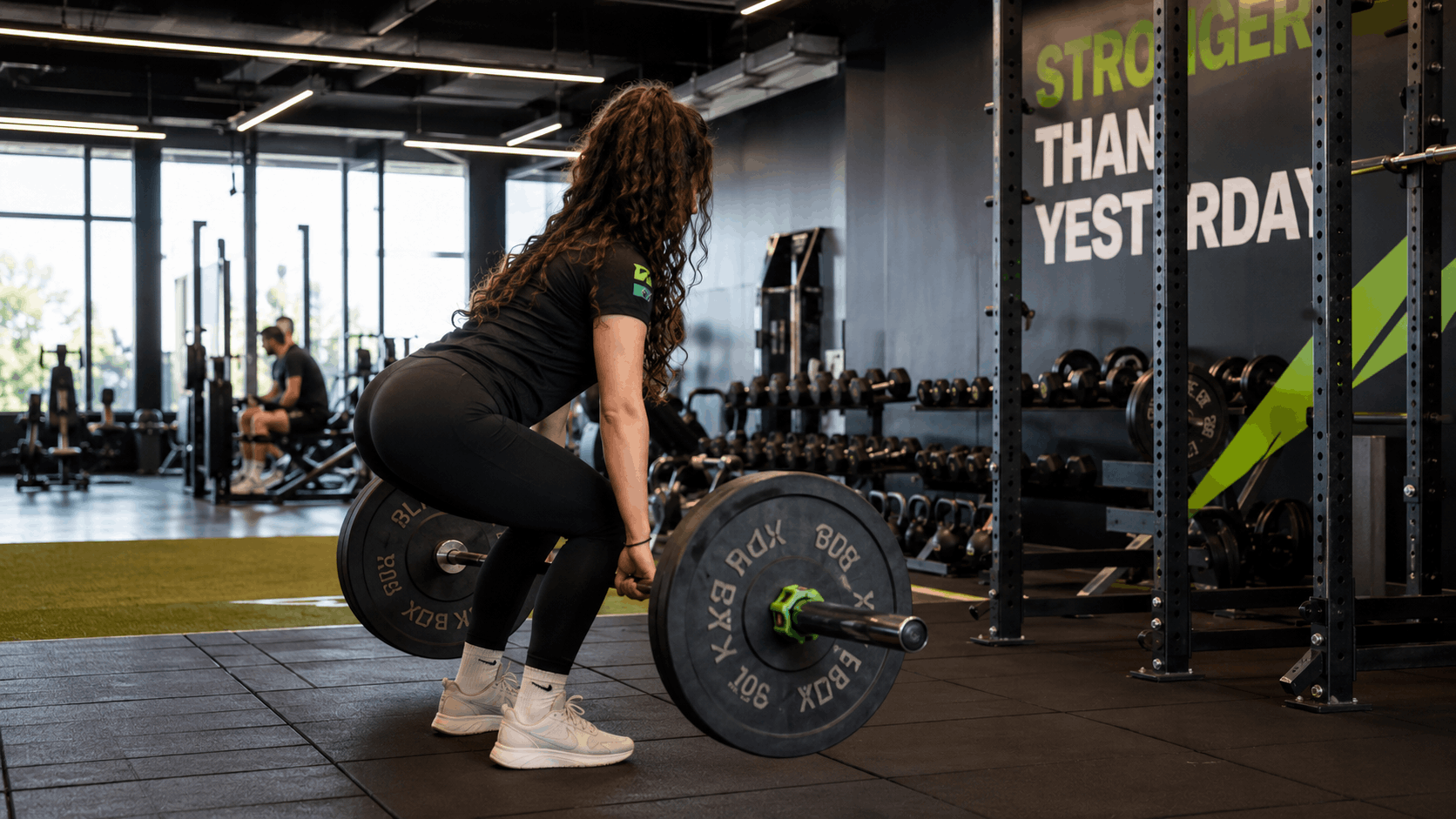
The biggest myth left standing is that strength training means gym intimidation, machines you don’t understand, and a room full of people who seem to know what they’re doing.
That barrier is exactly why home PT exists.
With a qualified personal trainer coming to you, strength training becomes something you actually stick with one-on-one guidance, proper form from session one, and a program built around your body, your goals, and your schedule, without ever setting foot in a gym you’re not ready for.
That’s what MyPT was built for. Whether you’re picking up weight for the very first time or coming back after years away, MyPT connects you with certified personal trainers who bring the strength training experience to your home safely, confidently, and on your terms. And if you ever do want the gym environment, MyPT’s own gym locations across Dubai and Abu Dhabi are there too, working alongside your home sessions, not instead of them.
Strength training was never about shrinking yourself. It’s about becoming someone who doesn’t back down from hard things, one lift at a time.
Ready to start? Book your first session with a MyPT trainer today.
Frequently Asked Questions (FAQs)
1. Will strength training make women bulky?
No. Building visibly large muscles requires a calorie surplus, high training volume, and hormonal conditions women don't naturally have in the same way men do. Most women who lift consistently get leaner and more defined, not bulkier.
2. How many days a week should a woman strength train as a beginner?
2-3 non-consecutive days a week is enough to see real results as a beginner. This allows muscles to recover and adapt between sessions, which is when the actual strength gains happen.
3. Is strength training safe during pregnancy?
Yes, in most cases with modifications and a trainer or doctor's guidance. Strength training during pregnancy can help with posture, reduce back pain, and support an easier recovery postpartum, but the program needs to adapt each trimester.
4. What's a realistic timeline to see results from strength training?
Strength gains often show up in 2-4 weeks (lifting heavier, feeling more capable). Visible physical changes typically take 8-12 weeks of consistent training.
5. Do women need different strength training programs than men?
Not fundamentally the same principles of progressive overload apply but programming often differs in focus areas (like glute and core emphasis) and needs to account for hormonal cycles, which can affect energy and recovery week to week.
Leave a Reply