
Why Strength Training Beats Cardio for Fat Loss
Why Strength Training is Better Than Cardio for Fat Loss
If you’ve been logging hours on the treadmill and the scale still isn’t moving this is the article you need to read.
The Fat Loss Debate: Cardio vs Strength Training
Walk into any gym and you’ll find two camps: the ones grinding on the treadmill hoping to burn fat, and the ones lifting weights to build muscle. Most people assume cardio is the superior fat-loss tool. The science says otherwise.
Strength training, also called resistance training or weight training, consistently outperforms cardio for long-term fat loss. Here’s exactly why.
1. Strength Training Burns Calories Long After You Stop Working Out
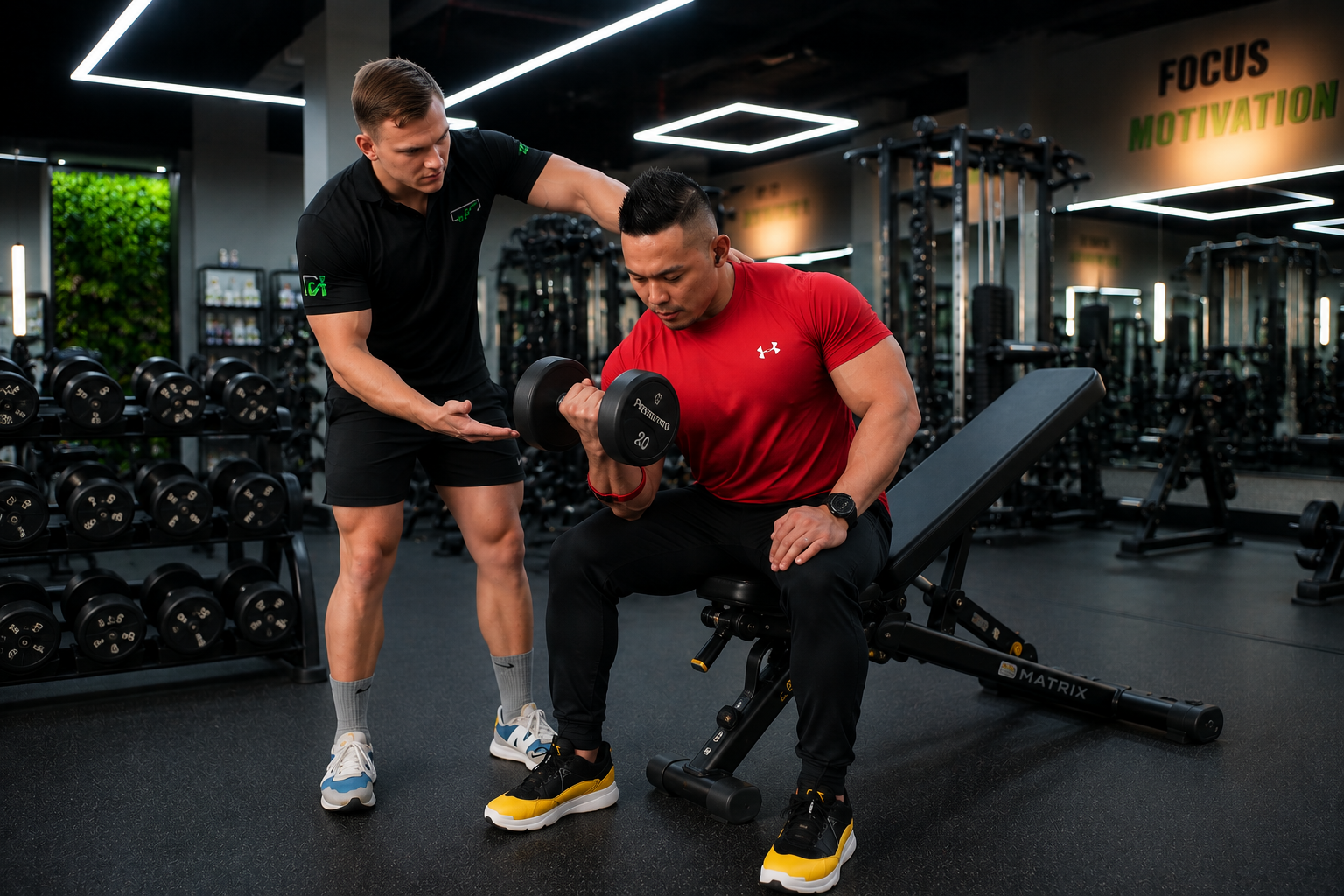
One of the biggest advantages of lifting weights is something called Excess Post-Exercise Oxygen Consumption (EPOC) or more commonly, the afterburn effect.
When you do a cardio session, your calorie burn drops to near-baseline the moment you stop. With strength training, your body continues to burn calories for up to 24–48 hours post-workout as it repairs muscle tissue, restores oxygen levels, and rebalances hormones.
That means a 45-minute strength session can keep your metabolism elevated well into the next day, something a 45-minute run simply cannot match.
2. Muscle is Metabolically Expensive In the Best Way
Here’s a number most people don’t know: every kilogram of muscle burns roughly 13 calories per day at rest, compared to fat tissue which burns barely 4-5.
The more muscle mass you carry, the higher your Basal Metabolic Rate (BMR) the number of calories your body burns just existing. Cardio doesn’t build muscle. In fact, excessive cardio (especially in a calorie deficit) can cause the body to break down muscle for fuel, lowering your BMR over time.
Strength training builds and preserves muscle. Fat loss without muscle retention leads to the “skinny fat” outcome like lower scale weight, but poor body composition.
3. Cardio Alone Can Stall Your Progress
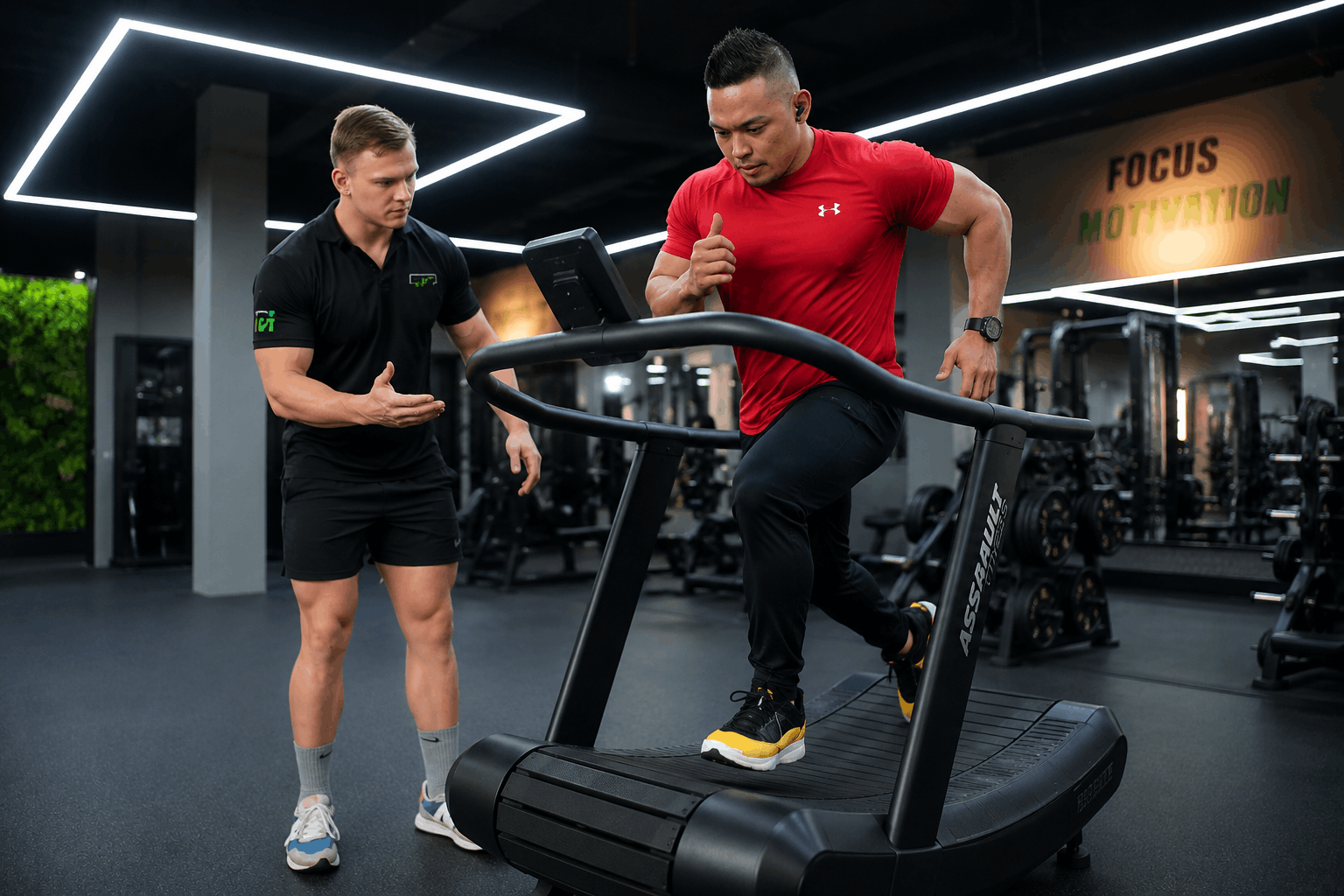
Your body is extremely good at adapting. Do the same 30-minute run every day and within weeks, your body gets efficient at it, meaning it burns fewer calories doing the same workout.
This is called the metabolic adaptation plateau.
Strength training creates progressive overload. You add weight, reps, or resistance over time, which constantly forces your body to adapt upward, not downward. The result: sustained calorie burn and continued fat loss without hitting a wall.
4. Strength Training Preserves Lean Muscle During a Calorie Deficit
The goal of fat loss isn’t just to lose weight, it’s to lose fat while keeping (or building) muscle. This distinction matters enormously for how your body looks, functions, and ages.
When you’re in a calorie deficit without resistance training, a significant portion of your weight loss can come from muscle. Studies consistently show that individuals who combine strength training with a calorie deficit lose significantly more fat and retain far more lean muscle than those who rely on diet and cardio alone.
5. Hormonal Benefits: Strength Training Wins Again
Lifting heavy weights triggers a hormonal response that cardio simply doesn’t:
- Testosterone and Growth Hormone both elevated during and after resistance training, it directly supports fat burning and muscle repair.
- Insulin Sensitivity improves dramatically with strength training, meaning your body gets better at using carbohydrates for fuel rather than storing them as fat.
- Cortisol while short bursts are fine, excessive cardio (particularly long, steady-state sessions) chronically elevates cortisol, which promotes fat storage especially around the abdomen.
- Strength training delivers a hormonal environment that actively supports fat loss. Chronic cardio can work against it.
6. Body Composition vs. Scale Weight
The scale is the most misleading fat loss metric in existence.
Cardio can make the number go down but some of that reduction is water, glycogen, and muscle. Strength training may not move the scale as dramatically, especially in early weeks, because you’re building lean tissue. But the mirror tells a completely different story.
Lower body fat percentage. Tighter physique. Better muscle definition. This is what most people actually want and strength training delivers it far more effectively than cardio alone.
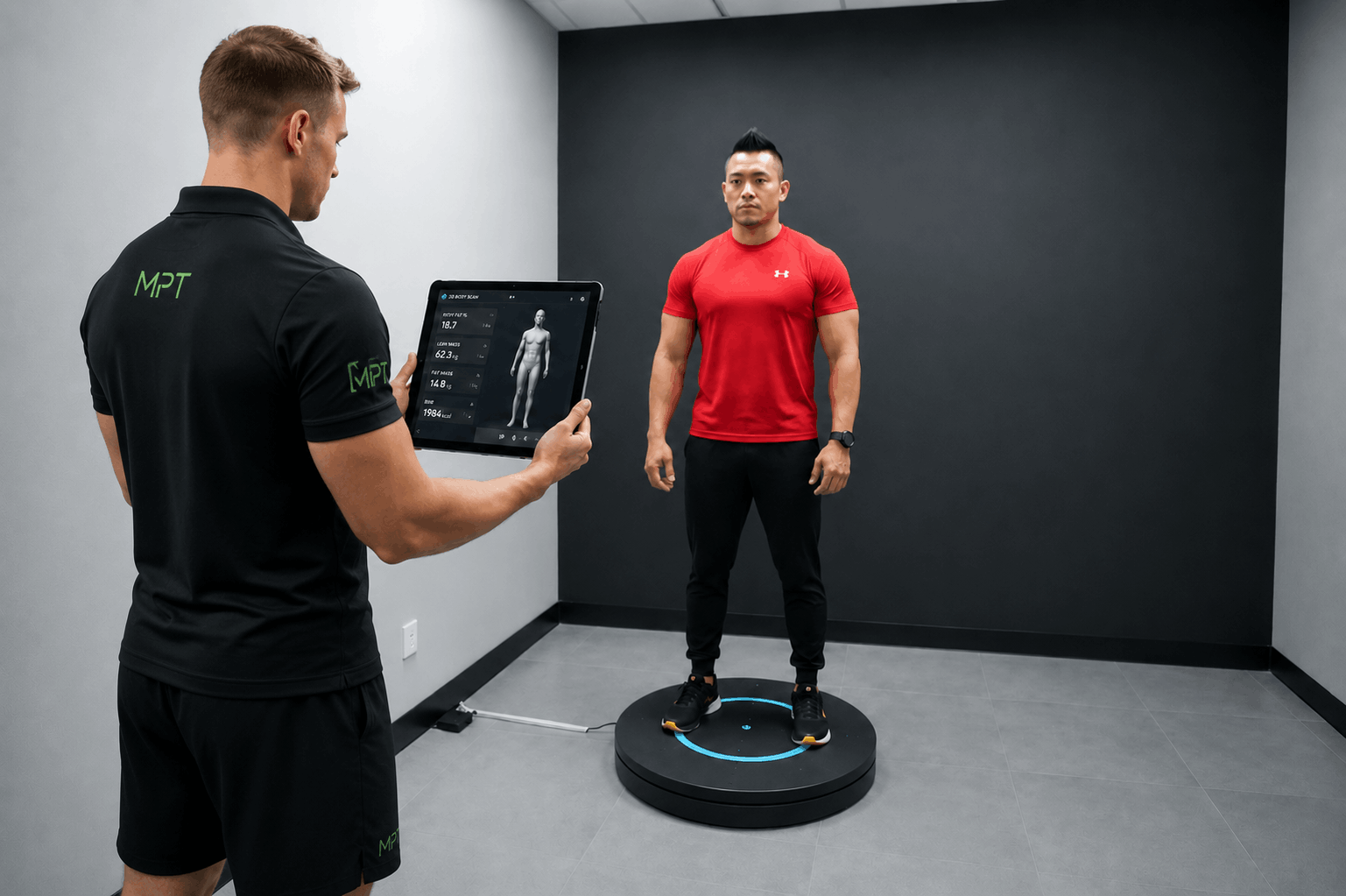
Know what your body is really made of. Get a 3D Body Scan at MyPT and uncover your body fat, muscle mass, metabolism, and more, not just your weight. Curious what your 3D Body Scan says about your body? Read our in-depth guide and discover why it’s one of the smartest ways to track your fitness journey. 👉 3D body Scan
So Should You Drop Cardio Completely?
Not necessarily. Cardio has clear benefits for cardiovascular health, endurance, mood, and recovery. The recommendation isn’t to eliminate it, it’s to stop treating it as your primary fat loss tool.
The optimal approach:
- Prioritise 3-4 strength training sessions per week as your fat loss foundation.
- Add 1-2 cardio sessions (ideally low-intensity steady-state, or HIIT in short bursts) for heart health and additional calorie burn.
- Dialing in your nutrition neither cardio nor weights will outwork a consistently poor diet.
The Bottom Line
If fat loss is your goal, strength training is the most efficient, sustainable, and body-composition-friendly tool available. It burns more calories over a 24-48 hour window, builds the muscle that raises your resting metabolism, preserves lean tissue during a deficit, and creates a hormonal environment that actively supports fat burning.
Cardio has its place. But it shouldn’t be carrying the weight (pun intended) of your fat loss plan.
Want a personalised strength training programme designed around your fat loss goals? Book a free session with a MyPT →
Frequently Asked Questions (FAQs)
Is strength training or cardio better for losing belly fat?
Strength training is more effective for reducing overall body fat, including visceral (belly) fat. It raises your resting metabolic rate and improves insulin sensitivity both of which directly target fat storage around the midsection.
How long does it take to see fat loss results from strength training?
Most people begin to see measurable changes in body composition within 6-8 weeks of consistent training (3-4 sessions per week) combined with a moderate calorie deficit.
Can I lose fat with strength training only, without cardio?
Yes. With a well-structured programme and a calorie deficit, strength training alone can drive significant fat loss. Cardio can be added for additional benefits but is not required.
How many days per week should I strength train for fat loss?
Three to four sessions per week is the evidence-backed sweet spot. This allows adequate training stimulus while giving your body sufficient recovery time to repair and rebuild muscle.
Does strength training speed up metabolism?
Yes. Resistance training increases muscle mass, and muscle tissue is metabolically active, burning calories at rest. Over time, this raises your Basal Metabolic Rate (BMR), meaning you burn more calories even when not exercising.
Leave a Reply