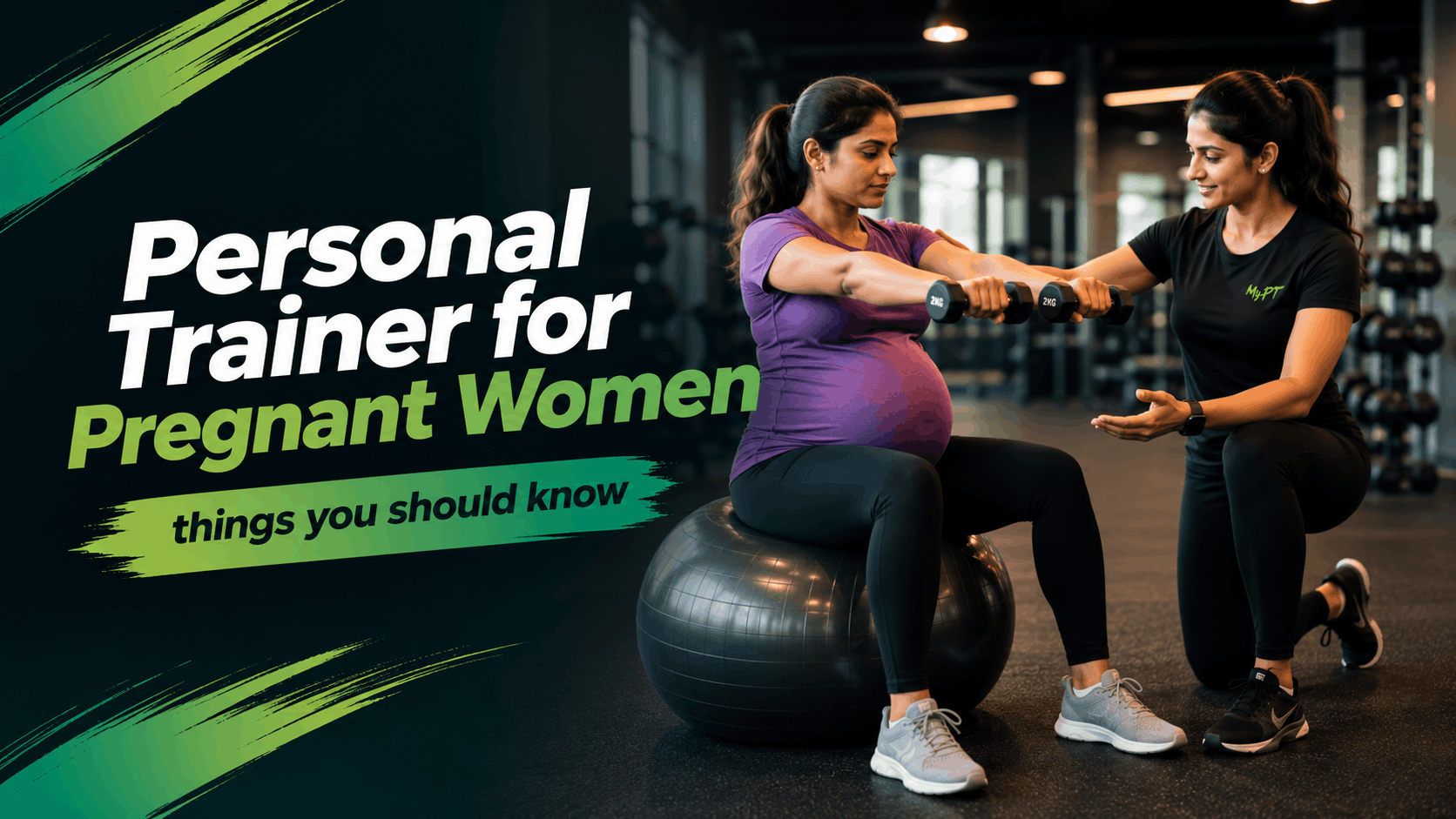
Personal Trainer for Pregnant Women: Your Complete Prenatal Fitness Guide
Personal Trainer for Pregnant Women: What You Actually Need to Know
Pregnancy changes your body every single week, and generic workout advice from a random blog isn’t built for that. If you’re searching for a personal trainer for pregnant women, you’re already asking the right question, because pregnancy fitness isn’t about pushing harder, it’s about training smarter for a body that’s constantly shifting. Here’s everything you need to know before you start.
Can I work out while pregnant?
Yes, and for most women it’s not just safe, it’s recommended, which is exactly why so many women start looking for a personal trainer for pregnant women in their first trimester rather than waiting. Unless your doctor has flagged a specific complication like placenta previa, preeclampsia, or a high-risk condition, moderate exercise during pregnancy is encouraged by OB-GYNs worldwide.
Staying active helps manage weight gain, reduces the risk of gestational diabetes, improves sleep, and can even shorten labor recovery time. The key word is moderate. This isn’t the time to chase a new personal best in the gym. It’s the time to maintain strength, mobility, and cardiovascular health so your body is ready for delivery and postpartum recovery. Always get a green light from your doctor first, especially if you didn’t have an active routine before pregnancy.
What exercises are safe during pregnancy?
Low-impact strength training, walking, swimming, stationary cycling, and prenatal yoga are generally considered safe throughout most of pregnancy. Bodyweight squats, modified lunges, resistance band work, and controlled core exercises (avoiding traditional crunches after the first trimester) help maintain functional strength without straining the joints.
Swimming is particularly good because the water supports your growing weight and takes pressure off your joints. The goal is to keep moving blood, maintain muscle tone, and support your changing posture, not to hit new fitness milestones. A trainer who understands pregnancy will adjust intensity and range of motion week by week as your body changes.
Which exercises should I avoid during pregnancy?
Anything with a high fall risk, like skiing, horseback riding, or contact sports, is off the table. Avoid exercises that involve lying flat on your back after the first trimester, since this can restrict blood flow to the uterus. Deep twisting movements, heavy overhead lifting, and high-impact jumping exercises should also be avoided as your center of gravity shifts. Hot yoga and any activity in extreme heat should be skipped too, since overheating isn’t good for the baby.
This is exactly why a cookie-cutter workout plan doesn’t work here. What’s safe in week 10 might not be safe in week 30, and a trainer who specializes in prenatal fitness will know exactly when to swap an exercise out.
When should I stop exercising during pregnancy?
Most women can safely exercise right up until delivery, as long as they’re listening to their body and modifying as needed. That said, you should stop and call your doctor immediately if you experience vaginal bleeding, dizziness, chest pain, calf pain or swelling, contractions, or fluid leaking.
Mild discomfort or fatigue is normal and just means it’s time to scale back intensity, not stop altogether. The idea that pregnant women need to “rest” for nine months is outdated. Movement, done correctly, is one of the best things you can do for your body and your baby right up until labor begins.
Is walking enough during pregnancy, or do I need strength training?
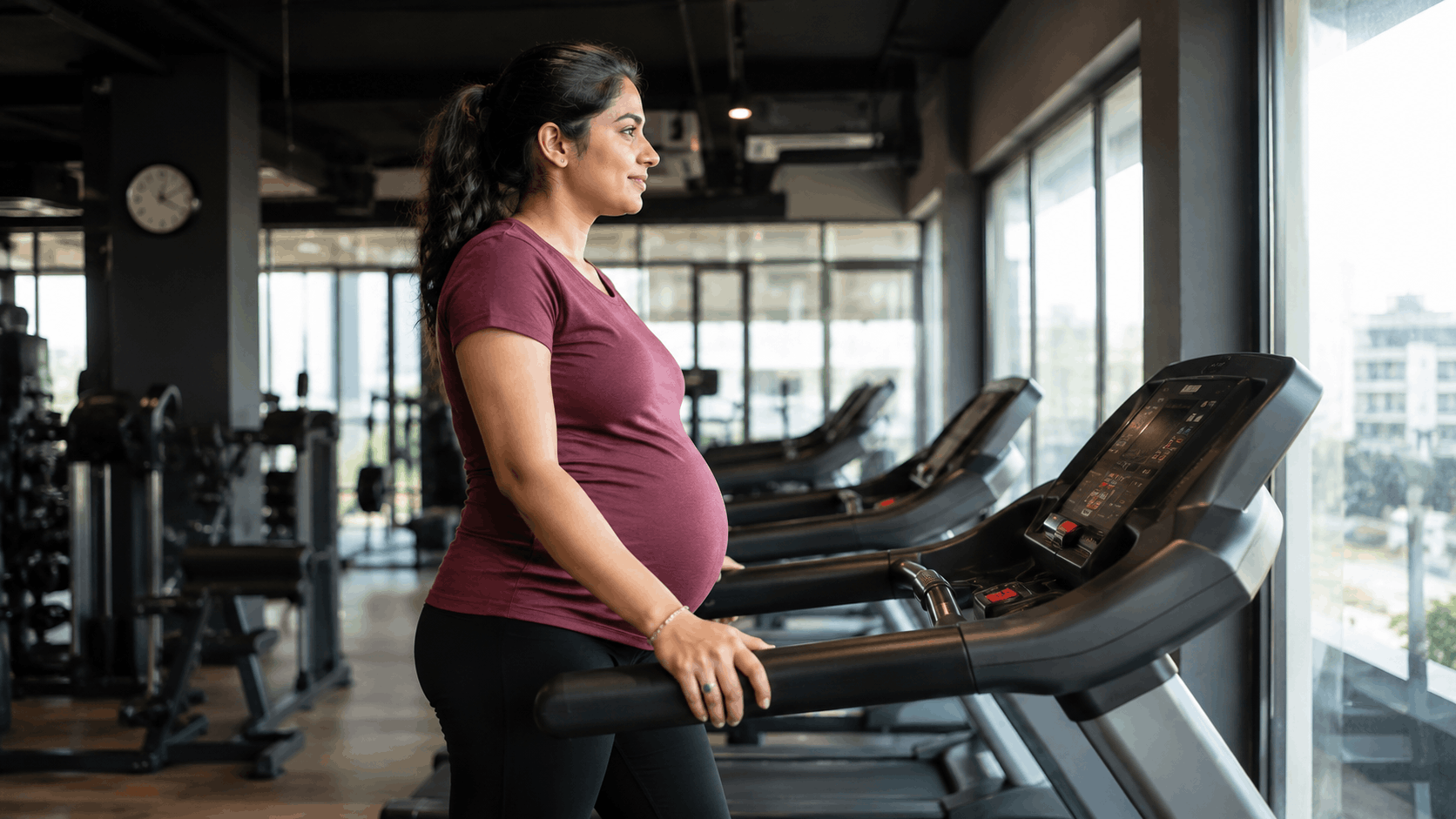
Walking is a great baseline, but it’s not the whole picture. It’s excellent for cardiovascular health and low-impact enough for almost every trimester, but it doesn’t do much for the muscles that are about to be under serious strain, your core, glutes, and back.
Strength training during pregnancy helps stabilize your pelvis, reduce lower back pain, and prepare your body for the physical demands of labor and carrying a newborn afterward. Think of walking as maintenance and strength training as preparation. The two work best together, not as substitutes for each other.
How often should pregnant women exercise?
Most guidelines recommend around 150 minutes of moderate activity per week, spread across four to five sessions. That could look like three strength sessions and two walks, or a mix of swimming and prenatal yoga. Consistency matters more than intensity here. Short, regular sessions of 20 to 30 minutes are far more effective and sustainable than one exhausting workout followed by days of rest. As pregnancy progresses, energy levels fluctuate, so the frequency should flex with how you’re feeling week to week rather than sticking to a rigid schedule.
Can I lift weights while pregnant?
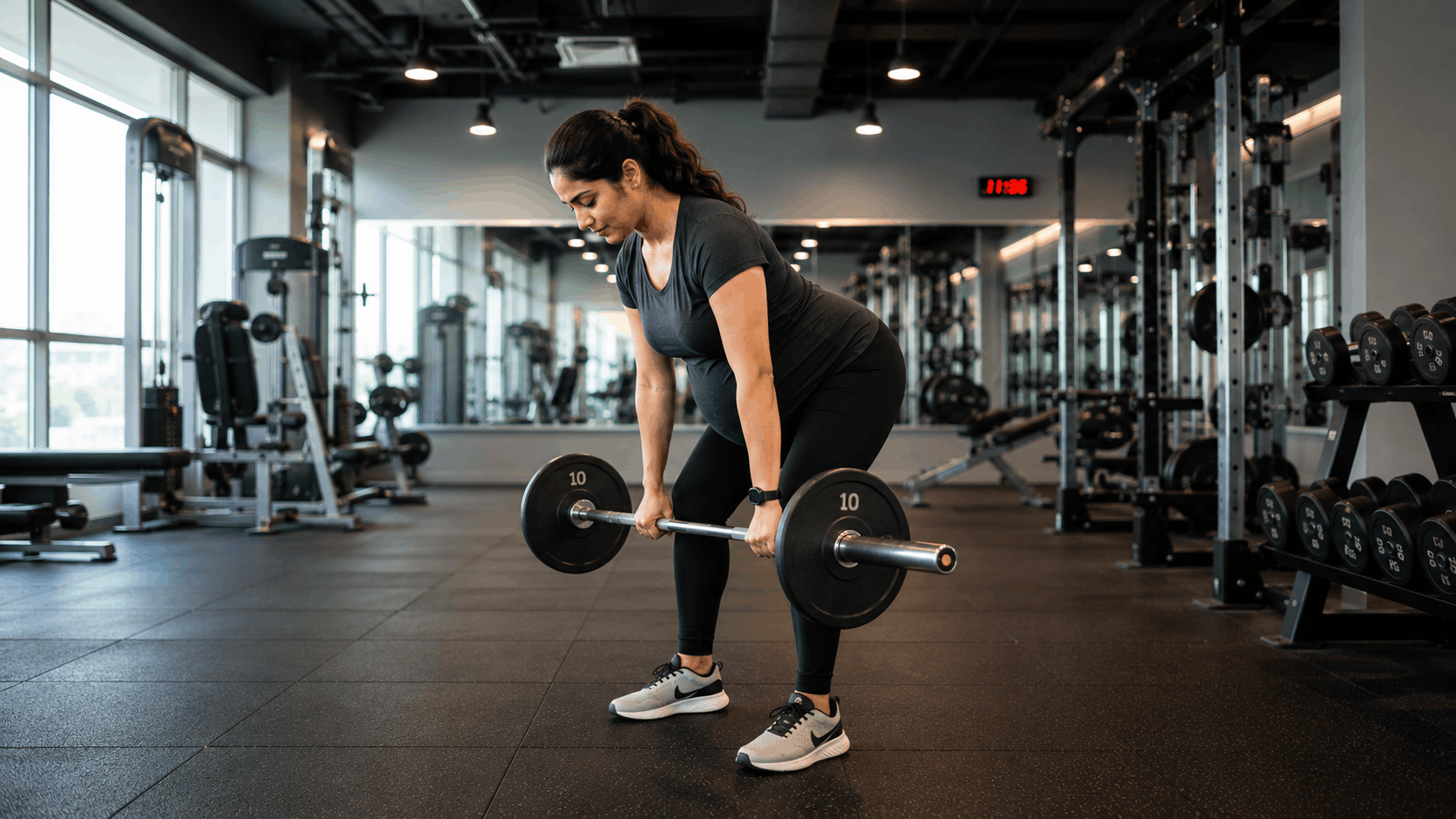
Yes, with modifications. Light to moderate resistance training is safe and actually beneficial, as long as you avoid heavy maximal lifts, breath-holding (Valsalva maneuver), and exercises that strain the core excessively.
Focus shifts from lifting heavier to lifting smarter, controlled tempo, proper form, and functional movements that mimic what your body will need postpartum, like squatting to pick things up or carrying weight safely.
If you were lifting before pregnancy, you can usually continue with adjusted loads and modified positions. If you’re new to weights, pregnancy is still a reasonable time to start, but only under proper guidance.
Is it safe to hire a personal trainer during pregnancy?
Not only is it safe, it’s often the smartest move you can make. A personal trainer for pregnant women removes the guesswork. Instead of wondering whether an exercise is safe for your trimester, you have someone actively adjusting your program in real time.
Pregnancy isn’t the time for trial and error with your fitness routine, and a qualified trainer will know how to progress or regress movements based on how your body is responding week by week, something generic YouTube workouts simply can’t do.
Should I hire a prenatal personal trainer in Dubai?
If you’re in Dubai, hiring a prenatal personal trainer is worth serious consideration, especially given the heat, which makes safe outdoor exercise tricky for a large chunk of the year. A local trainer who understands both the climate and pregnancy-specific programming can build a plan around indoor sessions, proper hydration, and heat management, things a generic online plan won’t account for. Dubai also has no shortage of qualified prenatal trainers, so the real question isn’t whether to hire one, it’s how to find one who actually knows what they’re doing.
What does a prenatal personal trainer do, and how are they different from a regular trainer?
A prenatal personal trainer does far more than swap out a few exercises. They understand the physiological changes happening in each trimester, from the loosening of joints due to relaxin hormone to the shift in center of gravity as the belly grows. This means they know how to modify load, range of motion, and positioning safely, avoiding exercises like supine positions after 20 weeks or high-impact moves that increase fall risk. A regular personal trainer, however skilled, isn’t trained to read these signals.
A prenatal trainer will also work closely with your obstetrician’s guidance, track your energy and recovery week by week, and build a program with postpartum recovery in mind from day one, not just pregnancy itself. This is the real difference: a prenatal trainer isn’t running a general fitness program with a few tweaks, they’re running a program designed specifically around the trimester you’re in.
MyPT: A Personal Trainer for Pregnant Women, Built for Real Life
If you’re in Dubai, Abu Dhabi, or Sharjah and looking for a personal trainer for pregnant women who actually understands prenatal programming, MyPT offers exactly that. Whether you prefer training at home, at one of MyPT’s own gym locations in DSO Dubai and Mazyad Mall Abu Dhabi, through a partner gym, or via the MyPT app, the approach stays the same: a program built around your trimester, your energy levels, and your doctor’s guidance, not a one-size-fits-all template.
MyPT’s trainers are backed by MyPT Academy’s accredited fitness education, so you’re working with someone who understands the science behind prenatal training, not just the trends. Whether you’re just starting your fitness journey during pregnancy or continuing one you’ve had for years, the goal is the same: keep you strong, safe, and ready for what comes next.
Frequently Asked Questions (FAQs)
How many days a week should I train while pregnant?
Most healthy pregnancies do well with 3 to 4 sessions a week, though this depends entirely on your energy levels and how each trimester is affecting you. A good trainer adjusts frequency month to month rather than locking you into a fixed schedule.
Can I start prenatal training if I was not active before pregnancy?
Yes. You do not need a fitness background to begin. Sessions simply start at a lower intensity and build gradually, with more focus on foundational strength, breathing and posture before anything more demanding is introduced.
Is it safe to lift weights while pregnant?
In most low risk pregnancies, light to moderate weight training is safe and actually helpful for labour preparation, provided the exercises are selected correctly and form is closely supervised as your bump grows.
What if I am considered a high risk pregnancy?
Training is still often possible, but it requires direct communication between your trainer and your obstetrician, along with a program built specifically around your medical restrictions rather than a standard prenatal plan.
How soon can I start training if I know I am having a C section?
This depends entirely on your doctor's clearance, since recovery timelines vary by individual. Once cleared, training typically begins with gentle core reactivation and mobility work before progressing toward regular strength sessions.
Leave a Reply