
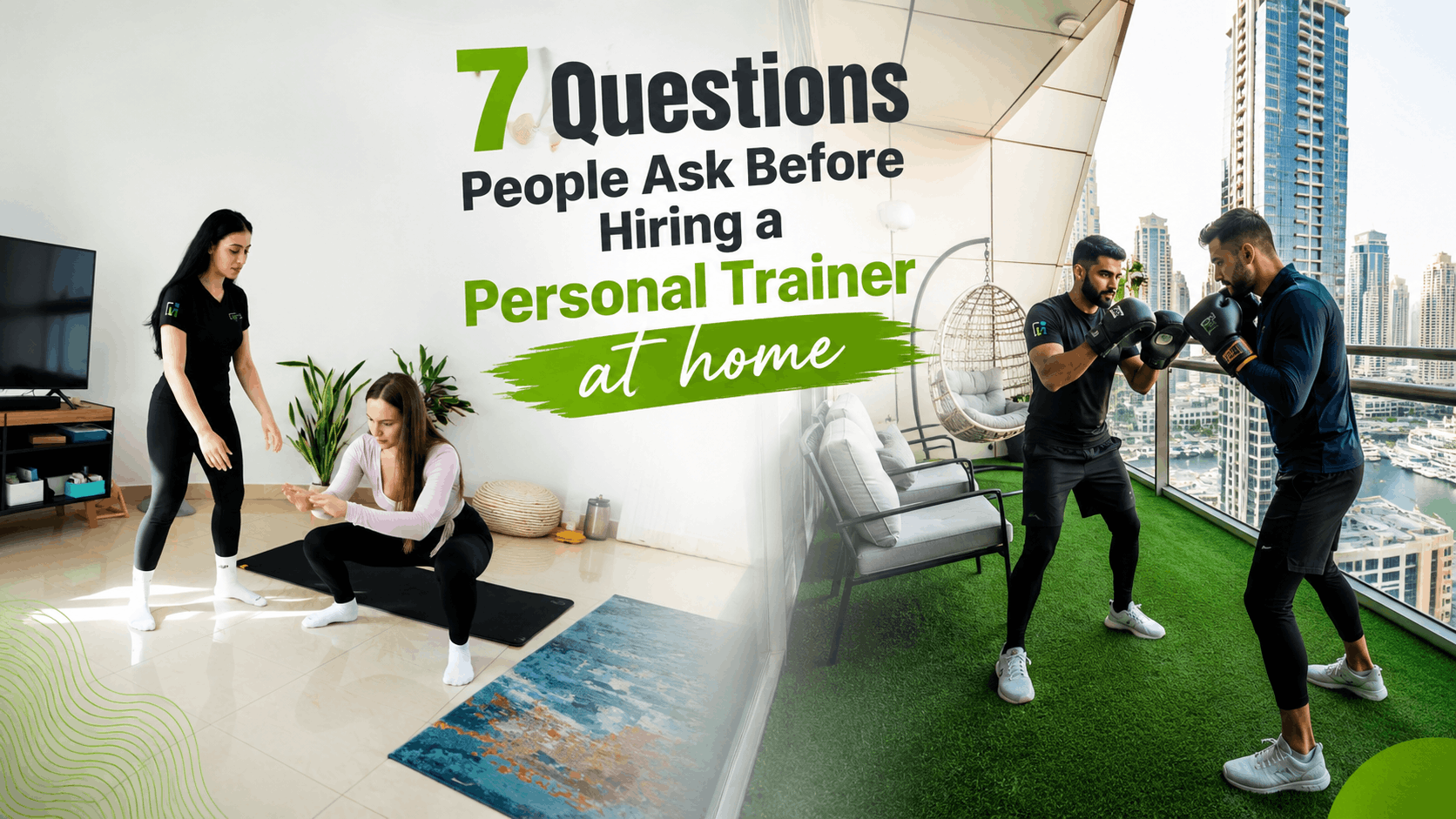
7 Questions People Ask Before Hiring a Personal Trainer at home
7 Questions People Ask Before Hiring a Personal Trainer at Home
As more people prioritize their health and fitness, personal training has become one of the most effective ways to achieve sustainable results. However, many individuals still have questions about how home personal training works and whether it is the right choice for them. If you’re considering hiring a Home Personal Trainer in Dubai, this guide answers some of the most common questions to help you make an informed decision.
Question 1: Home PT or Gym PT, Which One Is Better?
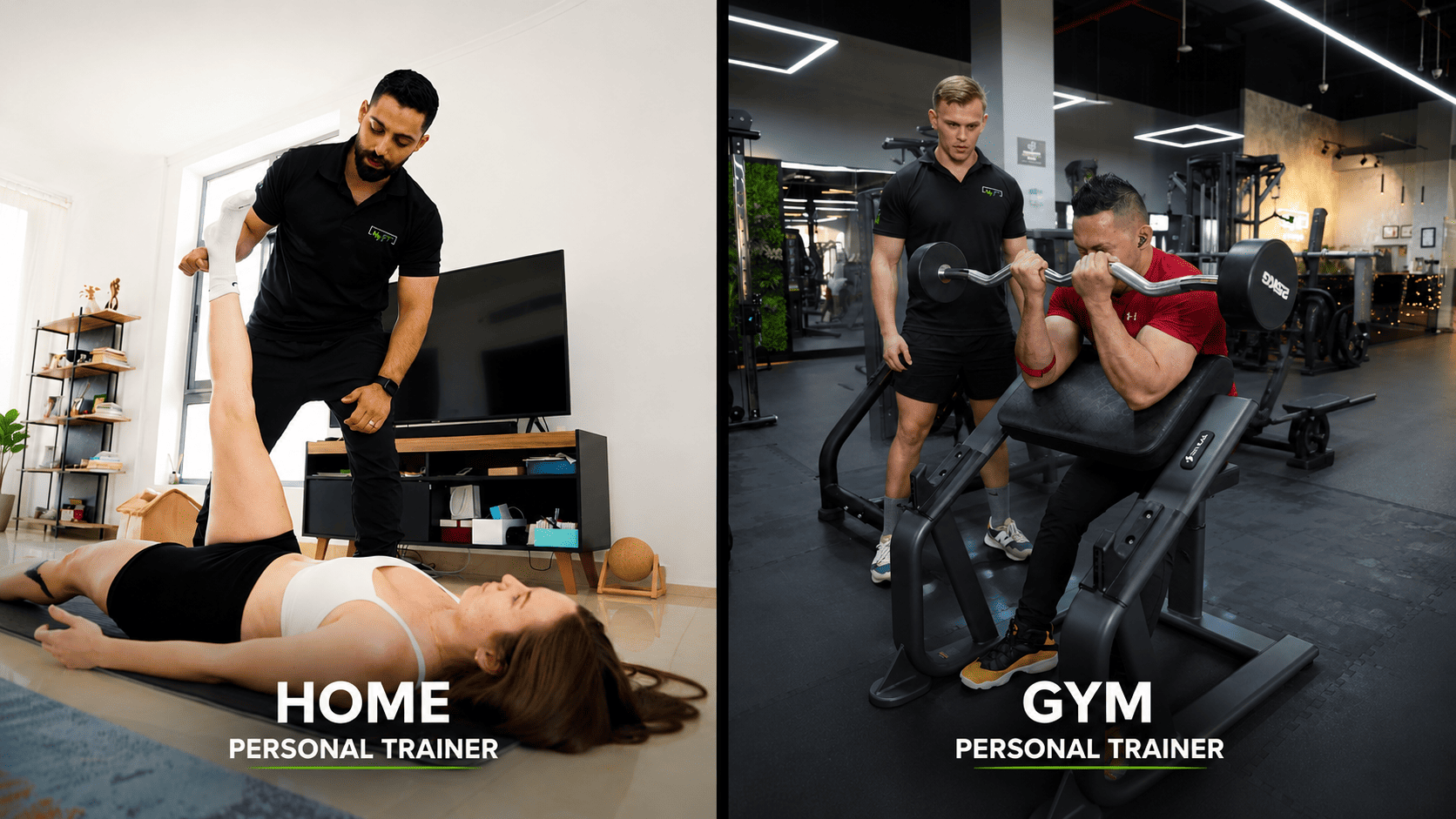
There is no single right answer here and anyone who tells you otherwise is oversimplifying. Both options work. The real question is which one works better for your life.
Home personal training is built around convenience, privacy, and flexibility. You do not have to drive anywhere, find parking, wait for equipment, or feel self-conscious in a crowded gym. Your trainer comes to you, the session starts on time, and you are done. For busy professionals, parents, seniors, or anyone who has struggled to stay consistent with a gym routine, this alone is a game-changer.
Gym personal training, on the other hand, gives you access to a wider range of machines, heavier weights, and an environment that many people find genuinely motivating. Some people train better when they are surrounded by others working hard. If you are chasing very specific strength or bodybuilding goals that require heavy barbells and cable machines, a gym setting supports that more naturally.
The honest truth is the best option is whichever one you will actually show up for, consistently, week after week. Consistency beats the environment every time.
Question 2: What Equipment Will a Home Trainer Use? Is It Like a Gym?
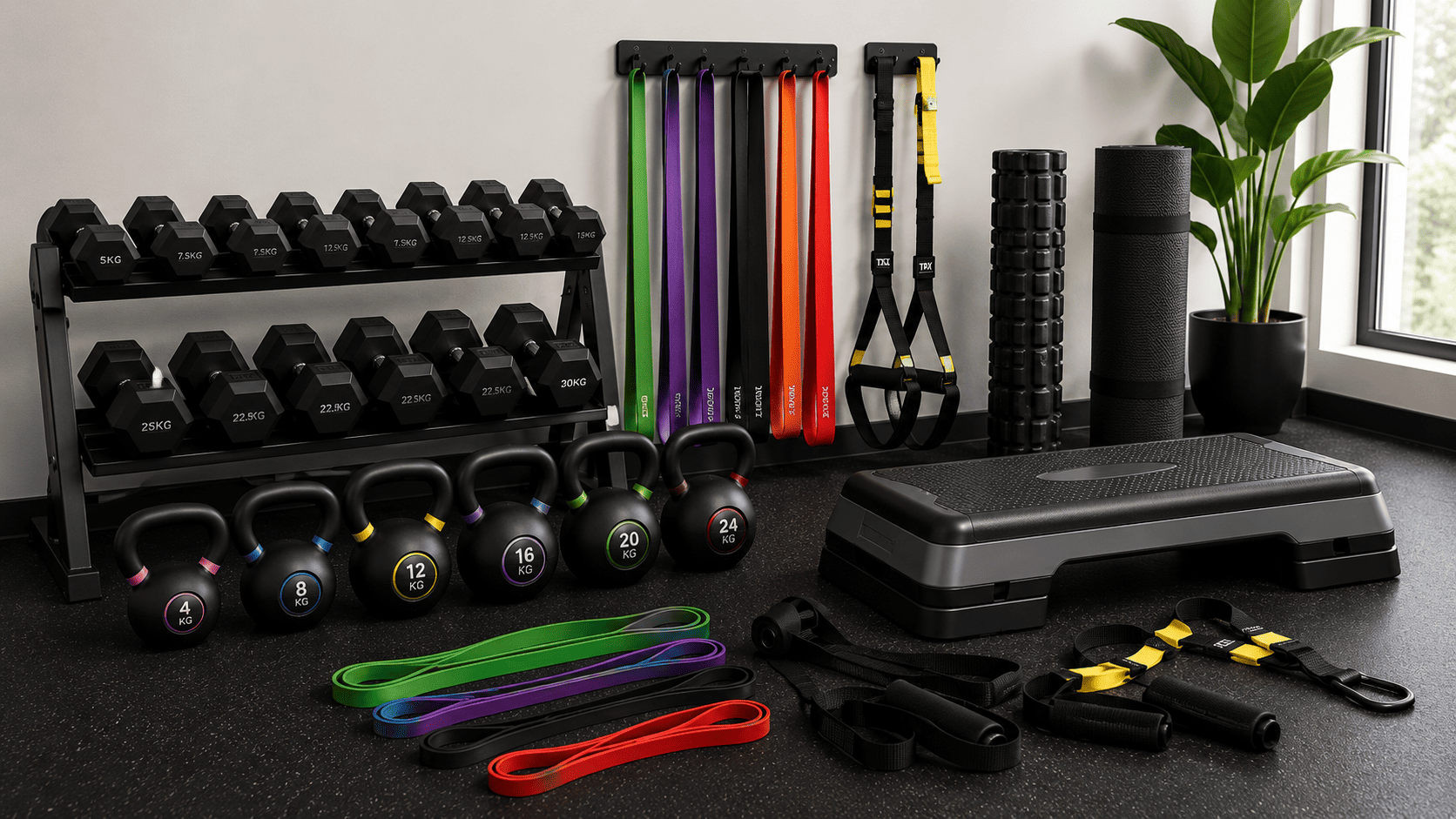
This is one of the most common concerns people have before booking a home PT, and it is worth addressing directly. No, a home trainer does not arrive with a squat rack and a cable machine. But what they do bring is more than enough to get you seriously fit.
A professional home personal trainer typically works with a combination of the following:
- Dumbbells and kettlebells: Adjustable sets that cover everything from light toning work to moderate strength training
- Resistance bands: Incredibly versatile for strength, mobility, and rehabilitation exercises
- TRX suspension trainer: A single anchor point that unlocks dozens of full-body exercises using your own bodyweight
- Yoga mat and foam roller: For core work, stretching, and recovery
- Bodyweight progressions: Push-ups, lunges, squats, planks, and their many variations, which are endlessly scalable regardless of fitness level
- A plyometric step or similar: For cardio bursts, step work, and functional movement patterns
The key insight here is that the equipment is functional and purposeful, not extreme. You do not need to lift 200kg to build a strong, lean, capable body. The vast majority of people including those with fat loss, toning, strength, mobility, or general fitness goals, can achieve everything they want with exactly this kind of equipment, guided by the right trainer.
For those who want access to heavier machines alongside flexible home sessions, MyPT at Dubai Silicon Oasis offers a fully equipped studio as well. You get the best of both worlds a professional gym space when you want it, and home visits when life calls for it.
Question 3: What Will the Timing Be? Can I Choose It Myself?
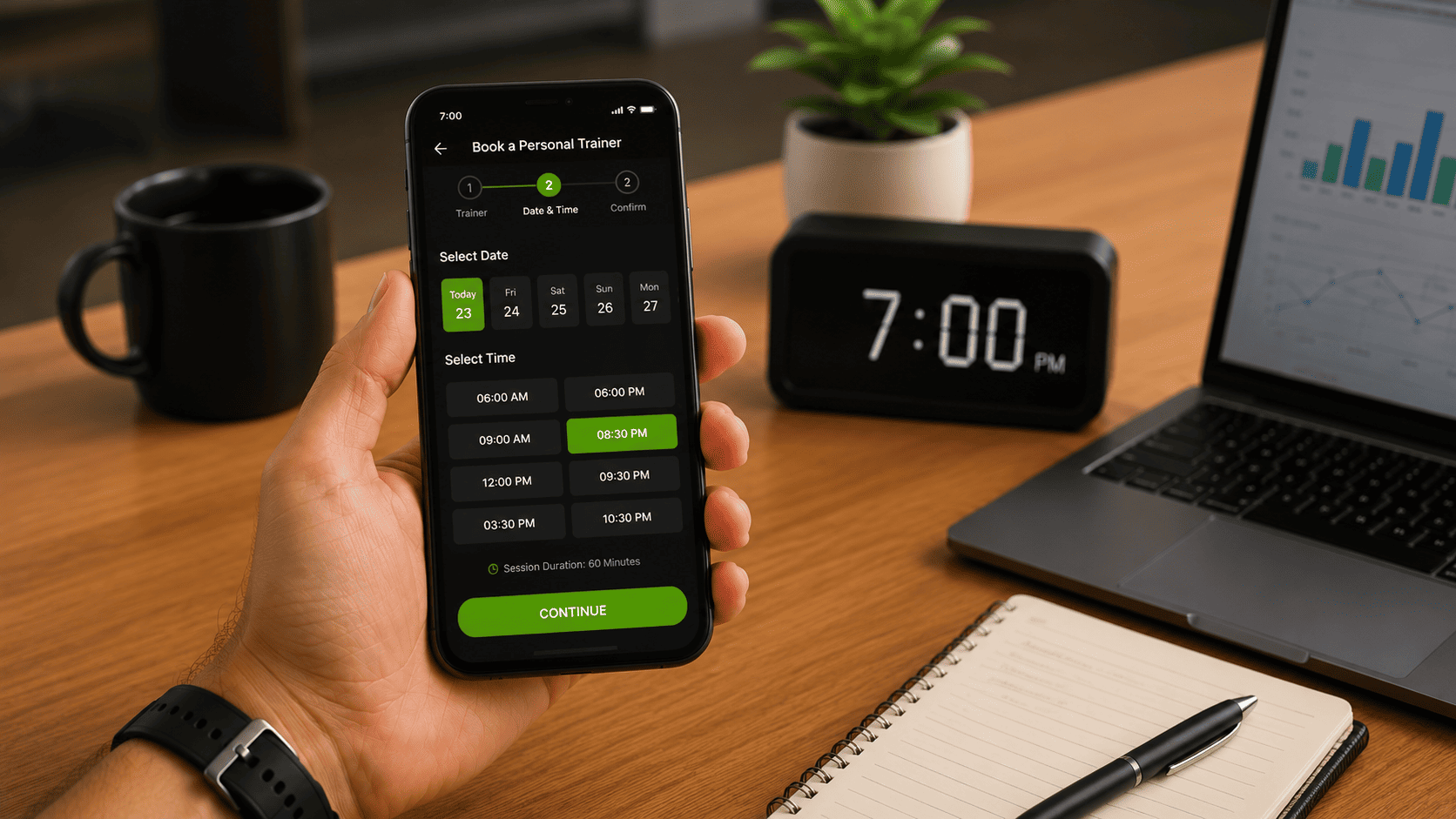
Yes, completely. This is actually one of the biggest advantages of working with a personal trainer, especially at home.
When you book with a PT, you agree on a schedule that fits around your life not the other way around. Whether you are an early riser who wants a 6 AM session before the Dubai heat kicks in, a professional who needs a lunchtime slot, or someone who can only train after the kids are in bed, there is a window for you.
Common session times clients choose in Dubai include:
- Early mornings (5:30 AM – 8:00 AM): very popular, especially before the summer heat. Great for those heading to the office afterward.
- Midday (11:00 AM – 1:00 PM): suits those working from home or with a flexible lunch break.
- Evenings (6:00 PM – 9:00 PM): the most in-demand window, so it is worth booking ahead.
- Weekends: Friday and Saturday morning slots are available for those who prefer a structured weekend routine.
Once you and your trainer agree on a recurring time, that slot is yours. Consistency in timing also helps your body settle into a routine, which supports better performance and recovery over time
Question 4: If I Book a Session But Need to Cancel, Will I Get a Refund?
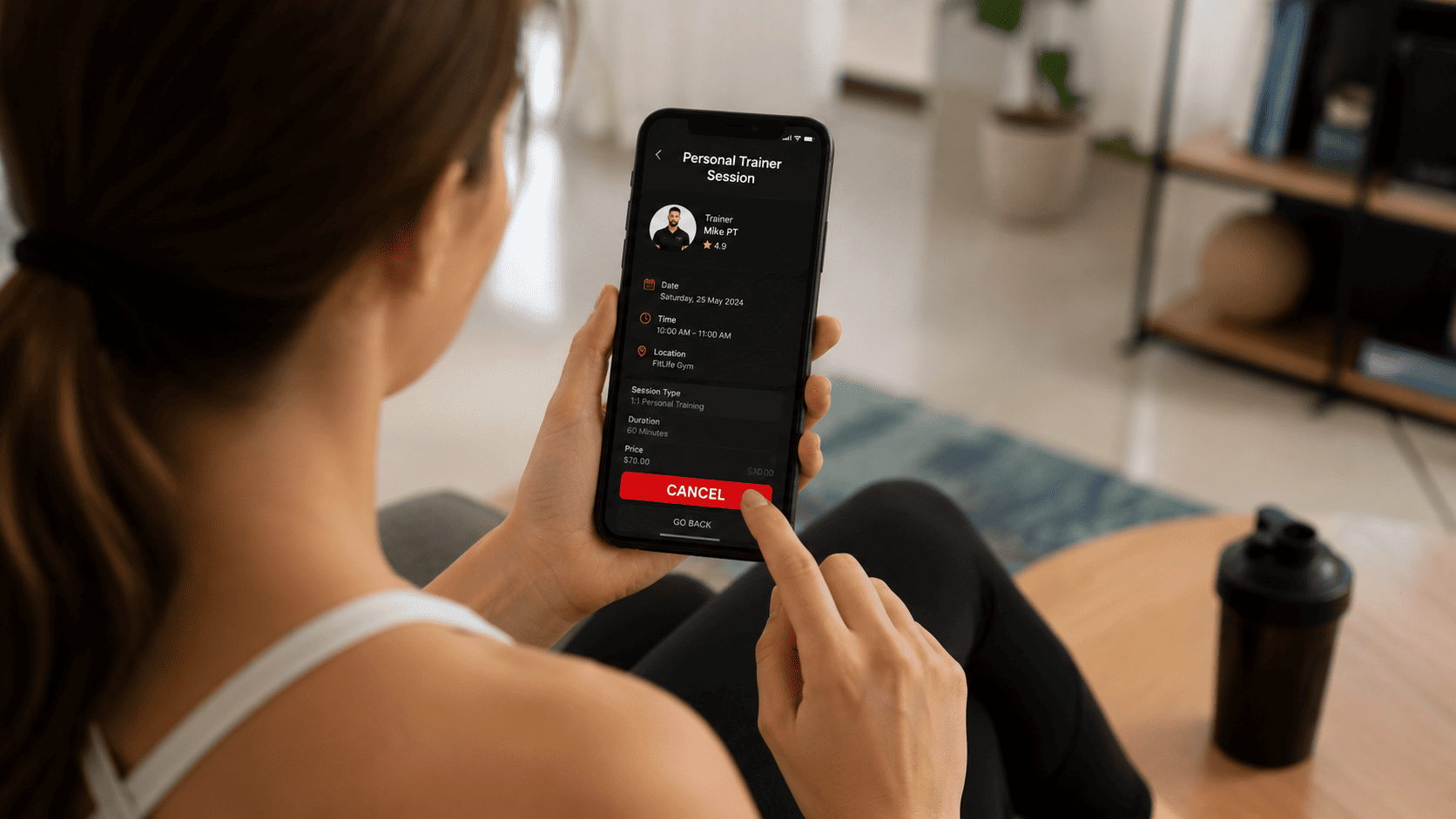
Cancellation policies vary between providers, so the most important thing is to ask about this before you pay for any package. That said, here is how it generally works across reputable PT services in Dubai:
- If you cancel 48 hours or more in advance, most providers will allow a full reschedule or apply a session credit with no penalty.
- If you cancel between 24 and 48 hours before the session, some providers will reschedule, others may charge a partial fee, this depends on the specific terms.
- If you cancel less than 24 hours before, the session is often counted as used, as the trainer has already allocated that time exclusively to you.
- A no-show where you simply do not turn up with no notice will almost always result in the session being forfeited entirely.
Before signing up for any PT package, always ask three specific questions: what is the cancellation window, can unused credits roll over to the next month, and how many reschedules are permitted per month. Any professional service will be upfront about this. If they are vague or dismissive, that is a red flag.
Question 5: What About the Safety of the Client When Booking a Home Trainer?
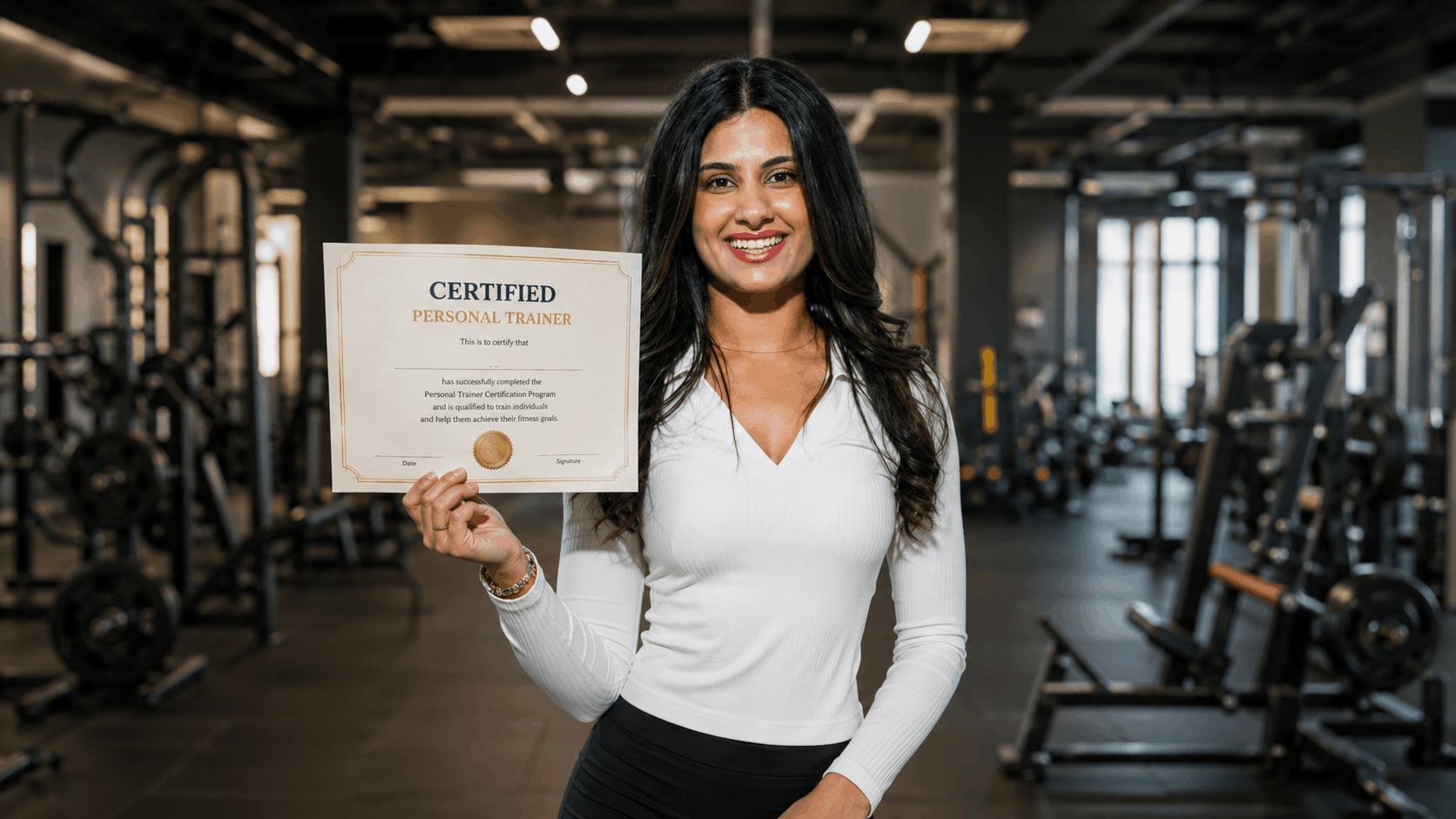
This is an important question, especially when you are booking a trainer on behalf of someone else like an elderly parent, a family member recovering from an injury, or a client in your care. The short answer is that when you book through a reputable, professional PT service, client safety is built into every step of the process.
Here is what a responsible provider does before a trainer ever steps into your home:
- Health screening before session one: A qualified trainer will always complete a PAR-Q (Physical Activity Readiness Questionnaire) with every new client. This surfaces any medical conditions, past injuries, medications, or risk factors that need to be taken into account.
- Certified and vetted trainers only: Professional services verify that every trainer on their roster holds a recognised qualification NASM, ACE, REPS UAE, or equivalent and many conduct background checks as well.
- Fully individualised programming: There is no generic workout handed out to everyone. Each programme is designed around the specific client, their current fitness level, health history, goals, and physical limitations.
- Gradual progression: A professional trainer never jumps straight to high intensity. Load and difficulty are increased progressively, which is both safer and more effective.
- First aid traine: Reputable trainers hold a valid first aid certification and know how to respond calmly and correctly if a client experiences any kind of distress during a session.
- Open communication: If you are booking on behalf of someone else, a good trainer will keep you informed about progress, any concerns, or adjustments to the programme.
At MyPT, every trainer goes through a multi-step vetting process before being matched with any client. You are not hiring someone off social media you are working with a certified professional backed by full accountability.
Question 6: Can a Personal Trainer Help Recover Back Pain or Knee Pain in Elderly People?
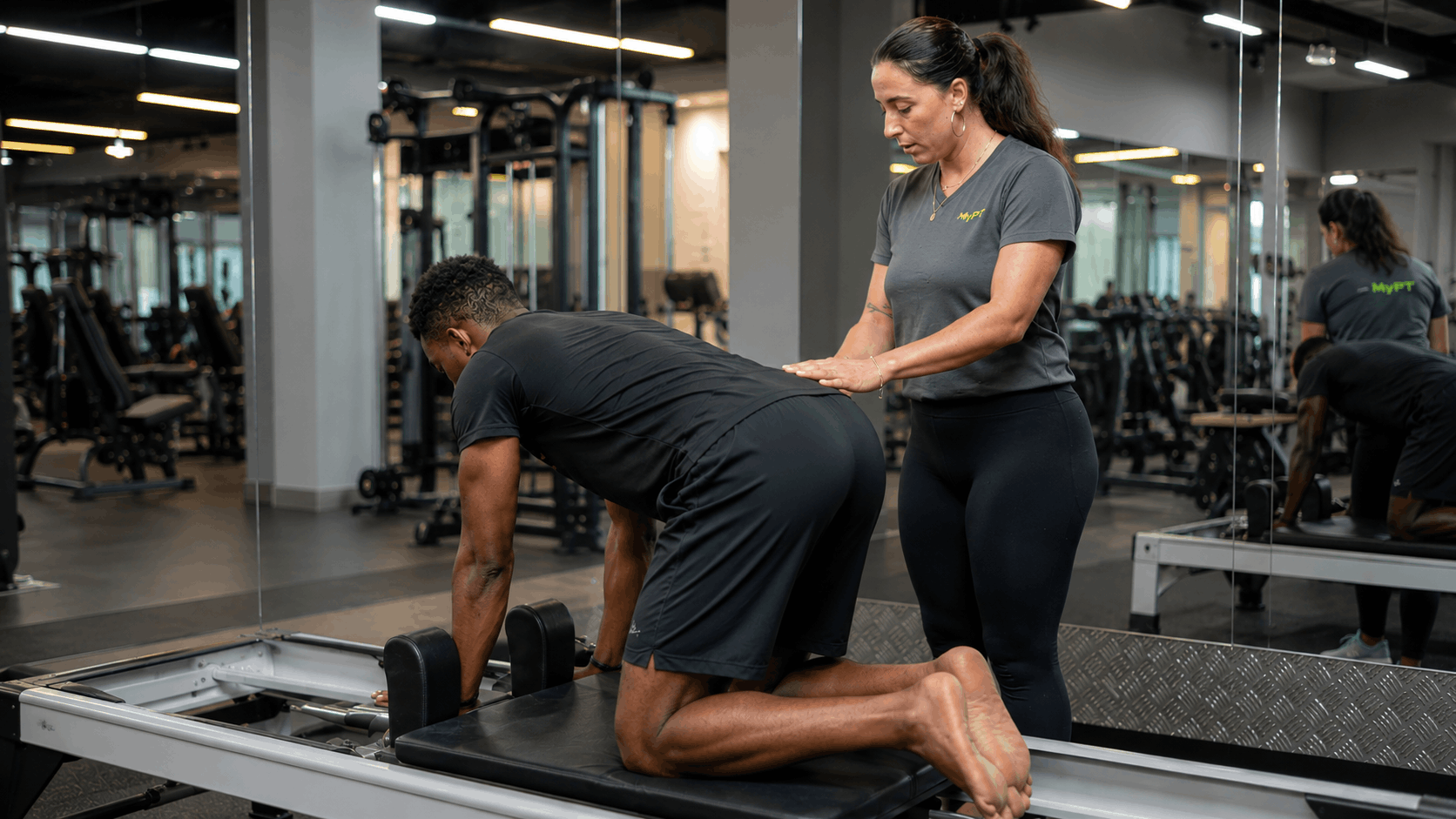
Yes, and this is actually one of the most meaningful things a qualified personal trainer can do. Exercise is one of the most evidence-backed treatments for chronic back pain and knee pain, particularly in older adults. The key word, however, is qualified. Not every trainer has the experience or knowledge to work safely with this population, so choosing the right person matters enormously.
A trainer with a background in corrective exercise, rehabilitation, or senior fitness will typically design a programme that includes:
- Core strengthening to stabilise the lower spine and reduce the load on intervertebral discs, which directly relieves chronic back pain
- Glute and hip activation, weak glutes are one of the most underappreciated contributors to both lower back and knee pain, and targeted work here makes a real difference
- Quadriceps and VMO strengthening to take pressure off the knee joint, particularly helpful for those with osteoarthritis or post-injury weakness
- Mobility and flexibility work, especially for the hip flexors and hamstrings, which when tight are a major driver of lower back pain
- Balance and proprioception training, which is critically important for seniors to reduce fall risk and build confidence in movement
- Low-impact cardio such as cycling movements, walking protocols, or resistance-based circuits that improve circulation and cardiovascular health without putting stress on painful joints
One important note: if the client has a diagnosed spinal condition, severe osteoporosis, or is recovering from surgery, the personal trainer should always work alongside a physiotherapist or the client’s physician. A good trainer will ask for a medical clearance letter before beginning any corrective work, and will not hesitate to refer out when something is beyond their scope.
Question 7: How Do I Choose the Right Personal Trainer?

This is perhaps the most important question of all, because the wrong trainer even a well-meaning one can waste your time, knock your confidence, or in the worst cases, cause injury. Here is what to look for:
- A recognised certification: Look for NASM, ACE, REPS UAE, ISSA, or an equivalent internationally recognised qualification. A certification does not make someone a great trainer, but its absence is a clear warning sign.
- A relevant specialisation: A trainer who primarily works with athletes in their twenties may not be the right fit for a 60-year-old with knee pain. Make sure their background and experience actually matches your specific goal weight loss, rehabilitation, senior fitness, post-natal training, strength, and so on.
- Real client results and testimonials: Ask for references or reviews. Any trainer with experience should be able to point to clients who are happy to speak about their results.
- A proper initial assessment; Before your first workout, a good trainer will sit down with you, go through your health history, discuss your goals, assess your movement patterns, and explain what the first few months of training will look like. If they skip straight to the workout, that is not a good sign.
- Clear communication and education: The best trainers do not just tell you what to do they explain why. You should understand the purpose of every exercise in your programme. This builds independence and long-term habits.
- Professional liability insurance: This is non-negotiable. Any trainer working in a professional capacity should carry personal training liability insurance.
- A genuine connection: Beyond all the credentials, you need to actually get on with this person. Training is a relationship built on trust. If after a trial session something feels off then the communication style is not right, they are distracted, they make you feel judged, trust that instinct and keep looking.
Always book a trial session before committing to a package. Any confident, professional trainer will actively encourage this.
Final Thoughts
At MyPT in Dubai Silicon Oasis, we take the matching process seriously. Every trainer on our roster is individually vetted qualifications checked, interviews conducted, track record reviewed and we match clients based on both goals and personality.
Whether you want to train in our DSO studio or have someone come directly to your home in Silicon Oasis, The Villa, Mirdif, or the surrounding communities, your first consultation is complimentary. Meet your trainer, ask every question on this list, and make your decision with complete confidence.
Frequently Asked Questions (FAQs)
Can a personal trainer create a workout plan for my specific goals?
Yes, a personal trainer can design a customized fitness plan based on your goals, fitness level, and lifestyle.
Do personal trainers help prevent workout injuries?
Yes, personal trainers teach proper exercise techniques and form to help reduce the risk of injuries.
Can I hire a personal trainer if I have a busy schedule?
Yes, many personal trainers offer flexible timings, including home and online training sessions.
What should I bring to my first personal training session?
Comfortable workout clothes, athletic shoes, a water bottle, and a positive mindset are usually enough.
Can personal training improve overall health and energy levels?
Yes, regular personal training can improve strength, fitness, energy, mobility, and overall well-being.
Leave a Reply