
Prenatal and Postnatal Fitness in the UAE: A Complete Guide for Mothers
Pregnancy and early motherhood bring a unique mix of joy, change, and physical adjustment. During this phase, many women want to stay active, feel stronger, and support their recovery, but they are often unsure about what kind of exercise is actually safe and beneficial. That uncertainty is natural, especially when the body is changing so quickly.
The truth is that movement can be incredibly supportive during both pregnancy and postpartum recovery when it is approached with care. A well-planned routine can help improve posture, support strength, ease physical discomfort, and make daily movement feel more manageable. After delivery, the right approach can also help mothers rebuild confidence in their body at a steady and realistic pace.
This stage of life is not about intense training or unrealistic expectations. It is about choosing movement that feels safe, sustainable, and supportive. With expert guidance and a practical plan, fitness can become a powerful tool for wellbeing rather than another source of pressure.
Across the UAE, more women are looking for guided support during pregnancy and after childbirth. As awareness grows, so does the need for fitness guidance that is informed, flexible, and built around the real needs of mothers.
Why movement matters during pregnancy
Staying active during pregnancy can support the body in several ways. Gentle exercise may help improve circulation, reduce stiffness, support posture, and make everyday movement feel easier. As the body changes through each trimester, guided movement can also help women maintain a better sense of strength and control.
Exercise can also support emotional wellbeing. Light movement, breathing work, and controlled strength exercises often help reduce stress and improve confidence. For many women, having a structured routine during pregnancy creates a sense of balance and reassurance.
That is why many women choose to work with a personal trainer for pregnant women when they want exercise guidance that feels safe, individualised, and appropriate for each stage of pregnancy.
What prenatal fitness should actually focus on
Prenatal fitness is not about doing more. It is about doing what supports the body best at that stage. A good routine usually includes breathing work, posture support, low-impact strength training, mobility exercises, and gentle movement patterns that help the body adapt to change.
As pregnancy progresses, the body needs more support around balance, core control, and lower-back stability. Exercises often need to be modified so they reduce unnecessary strain while still helping the body stay active and capable.
A structured prenatal personal training plan usually focuses on comfort, control, and consistency rather than intensity. That is what makes it more realistic for long-term progress and daily wellbeing.
Common concerns expecting mothers often have
Many pregnant women hesitate to exercise because they are worried about doing something wrong. Some are unsure whether they can start if they were not previously active, while others worry that even light movement may feel unsafe.
In most cases, the concern is not movement itself but doing the wrong type of movement without proper supervision. Every pregnancy is different, and what works for one woman may not be suitable for another depending on trimester, symptoms, medical history, and overall energy levels.
This is one reason many women feel more comfortable working with a female personal trainer in dubai when they want a more private, supportive, and understanding training environment during pregnancy.
Safe prenatal training can make daily life easier
A well-designed prenatal routine can make day-to-day life feel more manageable. Walking, gentle resistance training, posture correction, stretching, and breathing drills can all support the body without creating unnecessary pressure.
These movements may help women manage physical discomfort more effectively, especially in areas such as the lower back, hips, shoulders, and legs. They also support better movement habits during a time when energy can fluctuate and the body may feel heavier or less stable.
The goal is not to train harder. The goal is to feel more supported by the training itself.
When to slow down and seek guidance
Although movement is often beneficial, pregnancy is not a time to ignore warning signs. If a woman experiences unusual pain, dizziness, bleeding, chest discomfort, or significant breathlessness during exercise, training should stop and medical advice should be taken immediately.
There are also cases where exercise needs to be adapted more carefully depending on recovery history, pregnancy symptoms, or doctor recommendations. This is where proper coaching becomes especially valuable.
Good guidance is not just about telling someone what to do. It is also about knowing when to modify, when to reduce intensity, and when to pause.
Postnatal fitness is not about rushing recovery
After delivery, many mothers feel pressure to return to exercise quickly. In reality, the postpartum stage should begin with recovery, not urgency. The body has gone through major physical and hormonal changes, and it needs time to regain stability and strength.
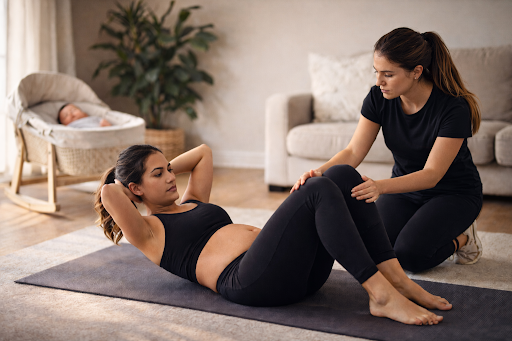
In the early stages, postnatal fitness is often less about workouts in the traditional sense and more about reconnecting with the body. Breathing work, posture correction, gentle core awareness, and pelvic support usually become the first priorities.
The most effective recovery plans are the ones that respect healing rather than trying to force progress too quickly.
What changes after childbirth
The body often feels very different after delivery. Many women notice reduced core strength, tension in the shoulders and neck, and a general sense of fatigue that affects movement confidence. Daily activities such as feeding, lifting the baby, carrying supplies, or bending repeatedly can also create new types of physical strain.
This is why postnatal training needs a fresh starting point. Rather than trying to return immediately to pre-pregnancy workouts, the body often needs to rebuild movement quality, stability, and strength from the ground up.
When this is done patiently, progress usually feels more comfortable and sustainable.
Why guided postnatal support matters
The postnatal phase can feel physically and emotionally overwhelming, especially when mothers are trying to balance recovery with a new routine at home. Exercise during this period should feel like support, not pressure.
That is why many women benefit from working with a female personal trainer in abu dhabi when they want a structured but flexible way to return to movement after childbirth. A guided approach can help make the process feel more manageable, especially when energy and confidence vary from week to week.
The right support creates a sense of progress without adding unnecessary stress.
Benefits of postnatal fitness for mothers
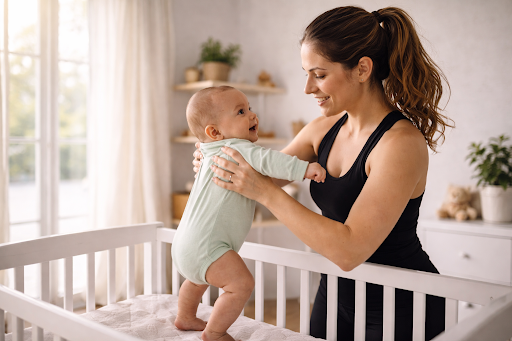
A thoughtful postnatal routine can support recovery in practical ways. It may help improve posture, reduce tension, rebuild stability, and make everyday tasks feel easier. Many mothers also find that even small amounts of guided exercise help them feel more connected to their own body again.
There is also an emotional benefit. Having a routine that is designed around recovery can create a stronger sense of self-care during a time when most attention is naturally focused on the baby.The value of postnatal fitness is not just about appearance. It is about strength, confidence, and feeling supported through a major life transition.
Making fitness realistic for mothers in the UAE
One of the biggest challenges for mothers is not a lack of motivation. It is making fitness fit into real life. Sleep disruption, changing schedules, childcare responsibilities, and energy fluctuations all affect consistency, which is why the routine has to be flexible.
Short, guided, and well-planned sessions are often more effective than long and rigid programs. Whether training happens at home or in a private setting, the plan should support the mother’s life rather than compete with it.
For many women, working with a personal trainer for pregnant women during pregnancy and into the postpartum period helps remove confusion and makes exercise feel much more manageable.
Choosing the right kind of support
When looking for prenatal or postnatal fitness guidance, mothers should consider more than just certifications. Communication style, ability to modify exercises, emotional intelligence, and practical understanding of women’s needs during this stage are all important.
Good support should feel respectful and realistic. It should allow room for fatigue, changing symptoms, and different recovery speeds. It should also make women feel comfortable enough to ask questions and move at a pace that works for them.
That kind of environment often leads to better consistency and stronger long-term results.
A better way to get started
The best way to begin is to start small. A woman does not need long sessions or intense workouts to benefit from movement during pregnancy or postpartum recovery. Even short sessions can be effective when they focus on the right priorities.
During pregnancy, that may mean breathing, mobility, posture work, and light strength. After delivery, it may begin with gentle core awareness, pelvic support, and restoring movement confidence. What matters most is that the approach matches the body’s current needs.
Small, consistent steps usually lead to better outcomes than trying to do too much too quickly.
Patience is part of the process
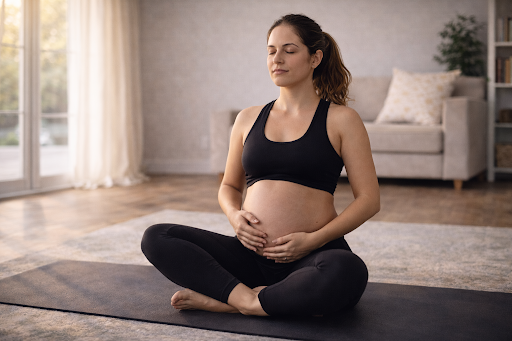
One of the most important things mothers can remember is that progress during this phase is rarely linear. Some days feel better than others. Energy can shift, routines can change, and recovery may take longer than expected.
That does not mean nothing is working. It simply means the body is adjusting. A good prenatal or postnatal fitness routine should allow space for that reality and still provide meaningful support.
The goal is not perfection. The goal is to help the body feel stronger, more stable, and better supported over time.
Conclusion
Prenatal and postnatal fitness can be one of the most valuable forms of support during motherhood when it is approached with care, structure, and patience. During pregnancy, the right kind of movement can support comfort, posture, mobility, and confidence. After childbirth, guided recovery can help mothers rebuild strength, restore control, and feel more at ease in their changing body.
The most important thing is not speed. It is safety, consistency, and choosing movement that matches the stage of life a woman is in. With the right guidance, fitness can become a practical and empowering part of motherhood for women across the UAE.
Frequently Asked Questions (FAQs)
Is it safe to exercise during pregnancy?
In many cases, yes, exercise can be safe during pregnancy when it is adapted to the individual’s stage, comfort, and medical condition. Gentle and guided movement is usually the best approach. It is important to avoid overexertion and stop if there is pain or discomfort. Medical advice should always be taken before starting any new routine.
When should a mother start postnatal fitness?
The right time depends on the type of delivery, recovery progress, and doctor’s advice. Some mothers may begin with light breathing and mobility exercises early, while others may need more time before structured workouts. Recovery should always come first during this stage. Starting gradually is much better than rushing back into exercise.
What type of exercise is best during pregnancy?
Low-impact and controlled exercises are usually the most suitable during pregnancy. Walking, breathing exercises, light strength work, stretching, and posture-focused movements are often the most helpful. The goal is to support the body rather than put extra pressure on it. A guided routine can make exercise safer and more effective.
Can beginners do prenatal and postnatal fitness?
Yes, beginners can absolutely start, but the routine should be designed around their current fitness level and physical condition. Pregnancy and recovery are not the time for generic workout plans or intense training. Starting with simple and guided movement is usually the safest option. Consistency matters much more than intensity during this phase.
Why is guided fitness support important for mothers?
Guided support helps mothers feel more confident about what is safe and what should be avoided. It also provides structure during a phase when the body is constantly changing and recovery needs can vary. A trainer can adjust exercises based on comfort, energy, and progress. This makes movement feel more manageable and less stressful.