
Why Isn’t Fat Loss Happening Despite Diet and Training?
Why Isn’t Fat Loss Happening Despite Diet and Training?
You’re training. You’re watching what you eat. You haven’t missed a session in weeks. So why isn’t anything changing?
In most cases, the problem isn’t effort. It’s the approach. Fat loss is far more specific than most people realise, something an experienced personal trainer in Dubai will tell you and the UAE lifestyle adds its own layer of challenges that generic fitness advice doesn’t account for.
Here are seven mistakes that quietly kill fat loss progress, even in people who are genuinely working hard.
1. You're Chasing Weight Loss, Not Fat Loss
These are not the same thing.
Your weight includes fat, muscle, water, and bone. When the scale changes, you don’t know what’s actually shifting.
You could be:
- Losing muscle instead of fat
- Or gaining muscle while losing fat (ideal, but invisible on the scale)
What actually tells you if you’re on track:
- Body fat percentage
- Lean muscle mass
- Circumference measurements (waist, hips, arms)
While the scale is one data point, it shouldn’t be the only one.
2. You're Eating Too Little
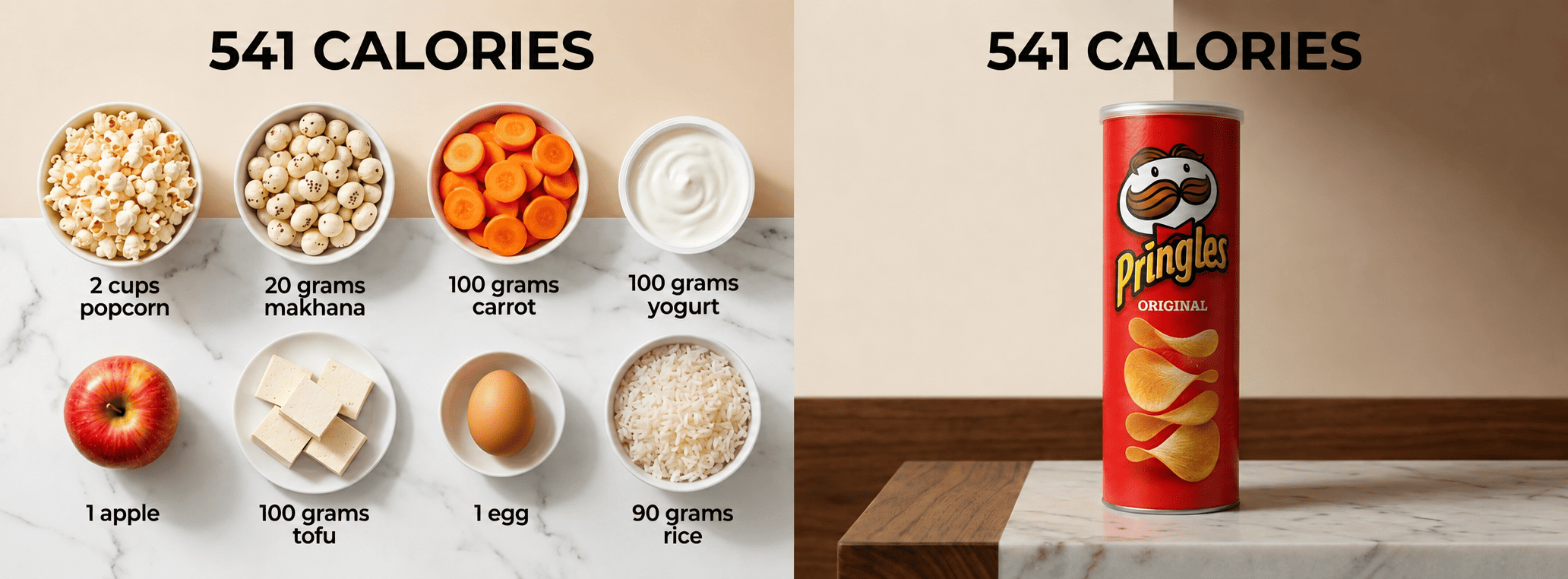
This sounds counterintuitive, but it’s one of the most common reasons fat loss stalls.
When calories drop too low:
- Metabolism slows
- Muscle breaks down
- Hunger hormones increase
- Energy and performance drop.
This leads to quick initial results, followed by plateaus and rebound.
Fat loss requires a controlled, calculated deficit. The more effective approach would be:
- Moderate deficit (300–500 calories)
- High protein intake
- Nutrition aligned with activity
Fat loss isn’t about eating less, it’s about eating precisely.
3. Your Training Isn't Progressing
Consistency without progression leads to stagnation. What was once challenging becomes efficient, leading to burning fewer calories and creating less stimulus. A certified personal fitness trainer ensures progression is built into every phase
Real progress requires progressive overload:
- Gradually increasing weight or resistance
- Adjusting tempo or rest periods
- Changing movement patterns over time
- Increasing weekly training volume appropriately
If your programme looks identical to what it was two months ago, it’s time to evolve it.
4. You’re Ignoring Daily Activity (NEAT)

Formal exercise is important. But it accounts for a relatively small portion of your total daily calorie burn.
Non-Exercise Activity Thermogenesis (NEAT) covers everything else and includes:
- Walking
- Standing
- Moving around, taking stairs.
In the UAE specifically, NEAT tends to be very low. The heat limits outdoor movement, and a lifestyle built around cars, air conditioning, and desk jobs compounds that. An hour of training cannot offset a sedentary day.
Simple ways to improve daily NEAT:
- Target 8,000–10,000 steps daily
- Walk during the cooler morning or evening hours
- Take calls standing or walking where possible
- Use stairs instead of lifts
The cumulative effect of the above is larger than we expect.
5. You're Estimating, Not Tracking
Most people significantly underestimate how much they eat.
The dressing on the salad. The handful of mixed nuts. The bites of food that don’t feel like a meal. These add up quickly and easily account for the difference between a deficit and a surplus.
Similarly, people often overestimate how many calories a workout actually burns.
If you’re not losing fat despite “eating well,” tracking precisely for 2–4 weeks is often the clearest diagnostic tool available.
6.Your Lifestyle Is Working Against You
Two lifestyle factors consistently undermine fat loss more than people realise:
Sleep: Less than 7 hours raises cortisol, increases ghrelin (hunger hormone), and reduces leptin (satiety hormone). The result is a greater appetite, worse food choices, slower recovery, and more fat retention even with the same efforts.
Stress: Chronic stress elevates cortisol, which promotes fat storage, particularly around the abdomen. In high-demand professional environments, this is a genuine physiological barrier to fat loss.
In the UAE, late nights, long working hours, and a demanding social calendar are very common. They’re also very common fat loss blockers that rarely get addressed.
7. You Have Effort. You Don't Have a System.
Random workouts and vague nutritional intentions produce random, vague results. What actually works long-term:
- Structured, personalised programming
- Measurable progress tracking
- Flexible but defined nutrition
- Accountability and adjustments
The goal isn’t perfection. It’s building a structure that holds even when motivation dips, life gets busy, or results temporarily plateau.
The Bottom Line
If you’ve been consistent and aren’t seeing results, you’re probably not doing something wrong, but you’re likely missing something specific.
When you:
- Focus on body composition instead of just weight
- Fuel your body correctly
- Follow progressive training
- Stay active throughout the day
- Track your progress
- Optimise your lifestyle
- Commit to a structured system
results become more predictable and far more sustainable.
How MyPT Can Help
At MyPT, clients often come in having tried everything on their own and hit a wall. What our certified personal trainers typically find is a combination of the issues above, usually more than one working against each other at the same time.
The starting point is always assessment before prescription: a 3D body scan to get accurate baseline data, a full consultation, and a programme built around actual numbers rather than general guidelines.
If you’re ready to move past guesswork, book a session with our personal trainer in dubai or visit one of our studios and get started.
Frequently Asked Questions (FAQs)
1. How fast should fat loss happen?
Between 0.5-1 kg per week is considered a sustainable, healthy rate. Faster than this usually involves muscle loss alongside fat.
2. Do I need to do cardio to lose fat?
No. Strength training combined with a caloric deficit and adequate daily movement is equally effective and better for preserving muscle mass.
3. Why did fat loss stop after a good start?
Usually one of three things: calorie intake has crept up without noticing, training hasn't progressed, or the body has adapted to the approach and needs a change in stimulus.
4. How much does sleep actually matter for fat loss?
More than most people account for. Consistently poor sleep disrupts the hormones that regulate hunger and fat storage in ways that directly slow progress, regardless of training quality.
5. How important is professional guidance in fat loss?
Professional guidance helps eliminate guesswork, ensures proper progression, and improves accountability, leading to faster and more sustainable results.
Leave a Reply